From a product idea to a clearer sample brief.
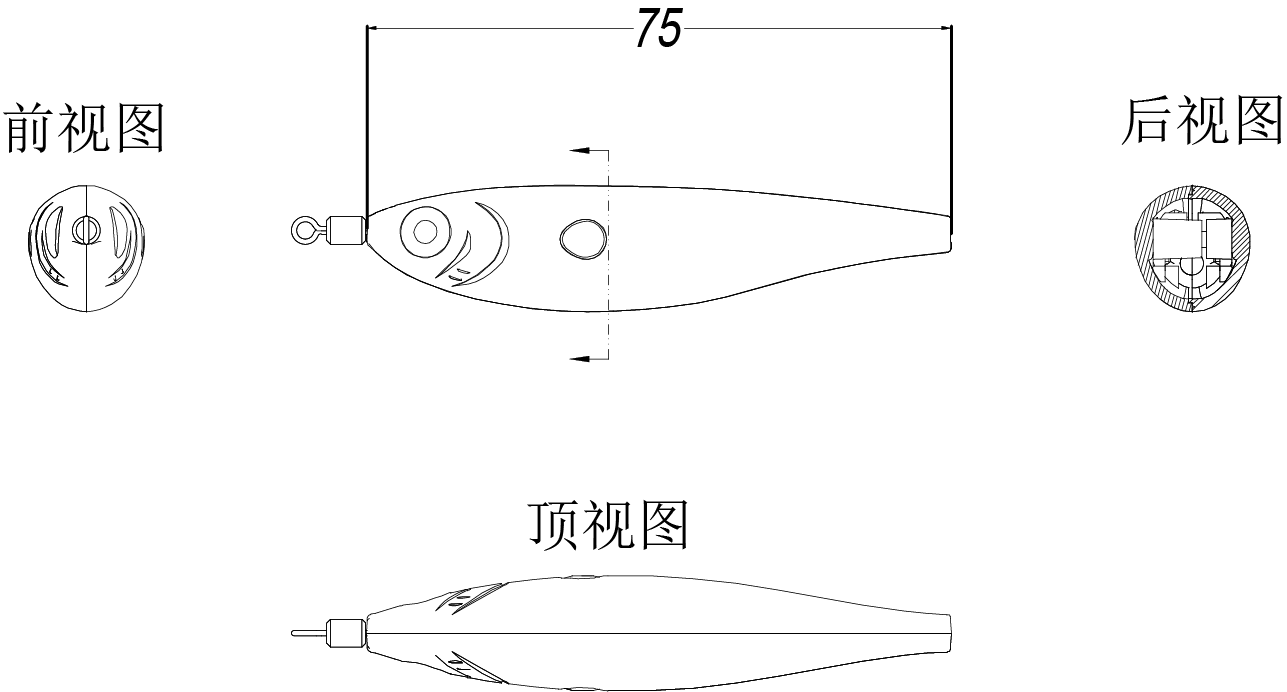
Make the product specification visible.
MeARi’s catalogue includes dimensioned product drawings. For a development brief, dimensions and reference images help clarify what the product should be before the sample discussion moves forward.
Share drawings, photographs or a written requirement. The team can review the requested scope and identify the points that need confirmation.
Define shape, size and weight.
Set the sample evaluation priorities.
Discuss finish and packaging.
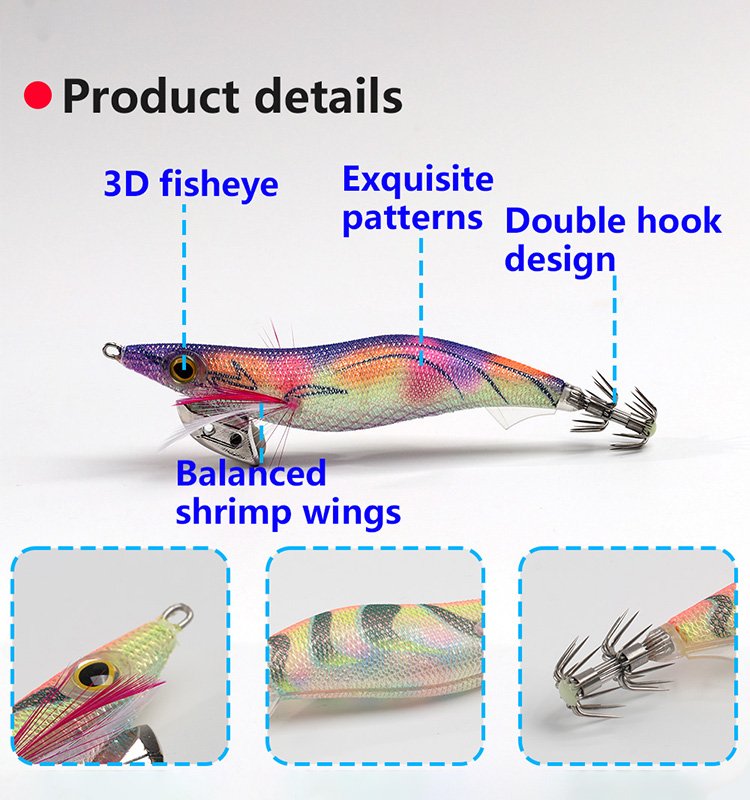
Turn features into reviewable decisions.
For an EGI brief, review the body proportions, weight reference, eye detail and hook crown. For a blade bait, identify body size, weight, attachment points and hook specification.
Each choice should answer a buyer need and have a clear sample reference.
Six decisions to align before production.
Market and application
Body and components
Scope and tooling
Evaluation and feedback
Product and pack reference
Order arrangements
Keep technical decisions and commercial decisions aligned.
Sample timing, tooling ownership, confidentiality and acceptance requirements should be agreed for the individual project. Echo’s development discussion starts with the information needed to make that assessment.
Carry the finish reference into the project brief.
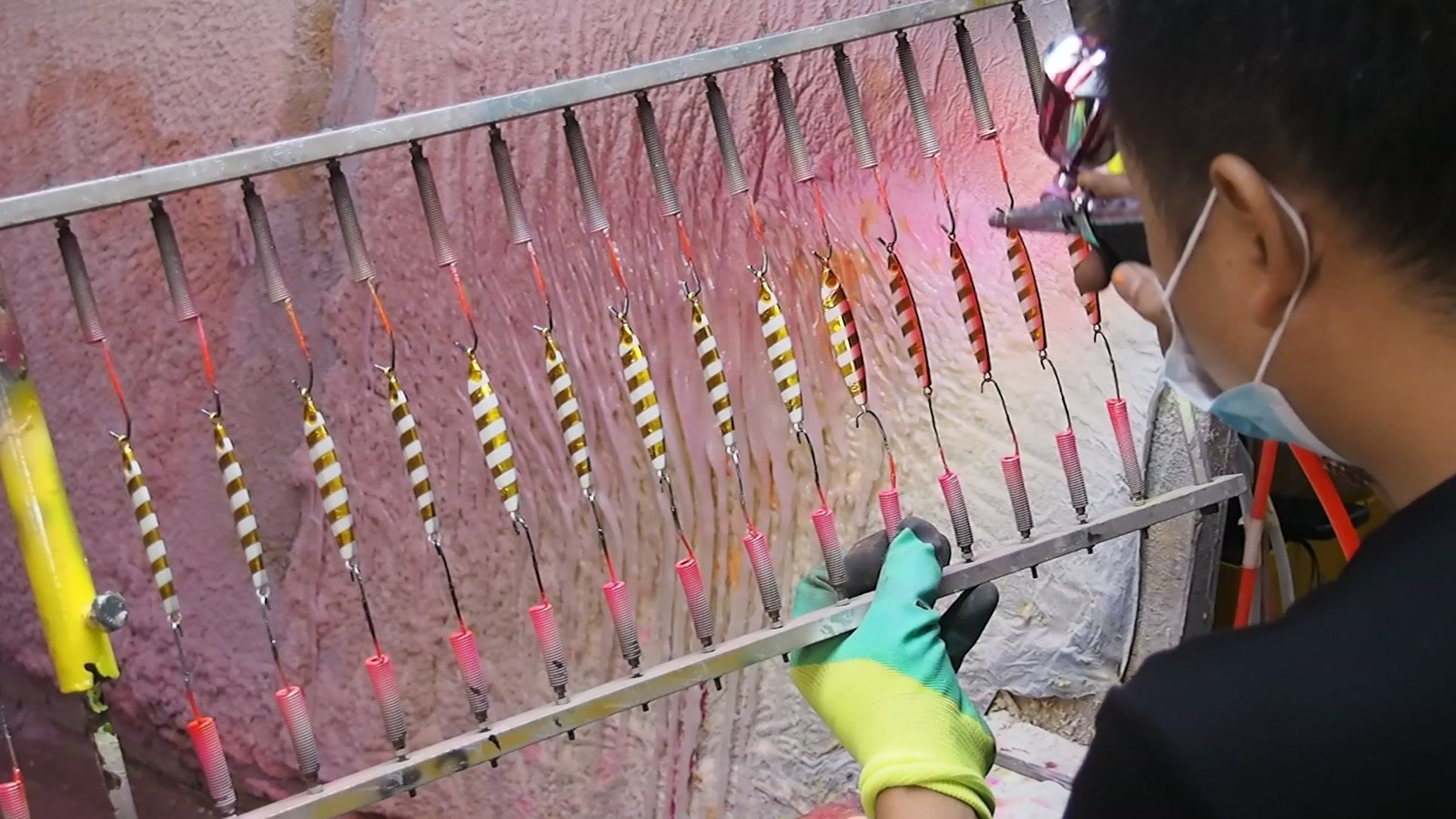
Color samples make a finish discussion more precise. The painting footage provides a view of the application stage; use an agreed reference to discuss color, pattern and the appearance you want approved.
What should I send for a custom lure development inquiry?
Send the target fishing application, reference product or drawing, desired dimensions and weight, color references, component requirements, packaging and estimated quantity. If the design is confidential, discuss the handling terms before sharing sensitive details.